
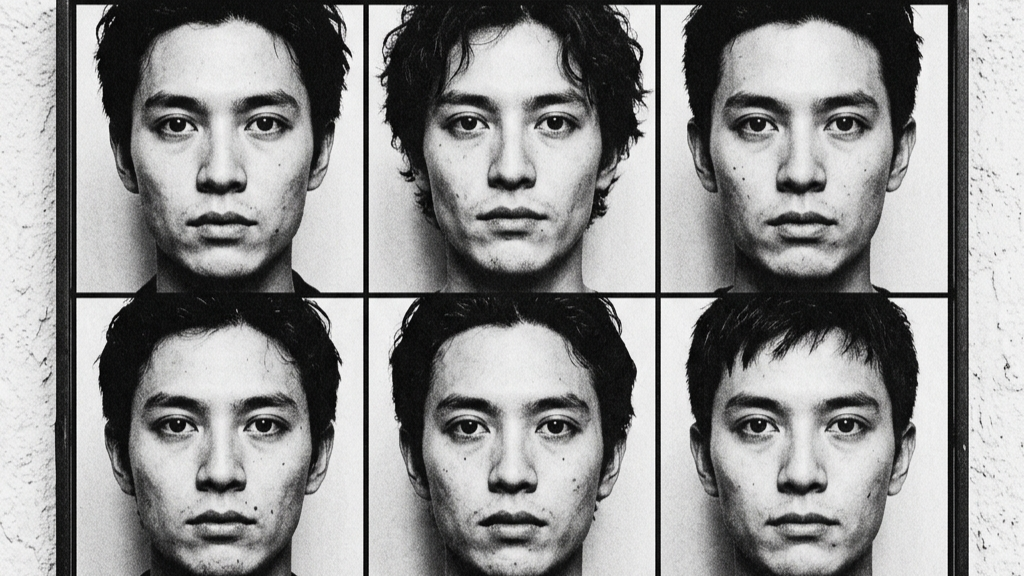
By May 2026, the novelty of generative AI has officially worn off. We have entered an era where the average consumer can spot an unedited AI-generated image in milliseconds. Whether it is the overly smooth skin textures, the “dreamlike” lighting that feels slightly off, or the repetitive compositions common in standard models, generic AI art is no longer a shortcut to engagement, it is a signal of low-effort branding. For companies leveraging brand identity content marketing, the stakes have never been higher.
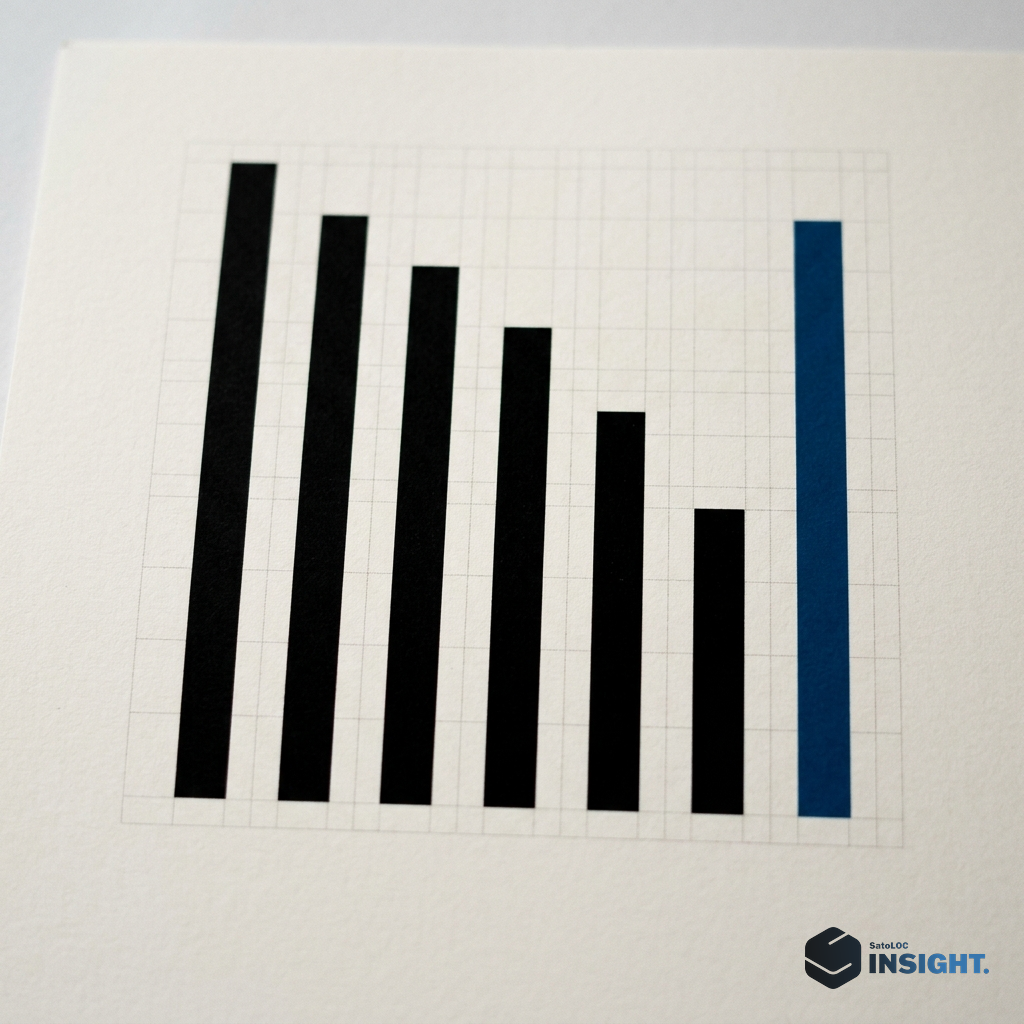
As search engine behaviors shift—with Gartner predicting a 25% drop in traditional search volume by 2026 due to the rise of AI-driven answers—visual distinctiveness has become the primary way to capture and retain audience attention. If your visuals look like everyone else’s, your brand becomes invisible in the sea of AI-generated noise. The solution isn’t just “better prompts”; it is the strategic integration of brand assets, specifically through advanced logo overlay and custom model training.
In this guide, we will explore why generic AI outputs are failing businesses and how tools like the SatoLOC Insight Content Studio are helping brands reclaim their visual identity through sophisticated branded AI images and multilingual content creation.
The “Midjourney Aesthetic” Trap: Why Generic Prompts Fail
The primary reason most AI images look generic is that they rely on the “average” of the internet. Large Language Models (LLMs) and diffusion models are trained on billions of images, and without specific constraints, they default to the most statistically probable representation of a concept. When you prompt for a “professional office setting,” the AI gives you a sanitized, blue-tinted, glass-walled room that looks like a thousand other stock photos.
The Problem of Statistical Averaging
Generic AI tools produce generic-looking images because they are designed for mass appeal rather than brand specificity. According to recent industry insights from Typeface, generic AI outputs often lack the “soul” of a brand because they don’t understand specific brand guidelines, color palettes, or the subtle nuances of a company’s visual language. This leads to several critical issues:
- Lack of Brand Recall: If a user scrolls past your image on LinkedIn and it looks like a Midjourney v6 default, they won’t associate it with your company.
- The Uncanny Valley: As noted by Perfect Corp, users are increasingly frustrated with AI changing facial features or creating “perfect” humans that feel alienating rather than relatable.
- Inconsistent Lighting and Mood: Without a unified brand framework, one image might look like a 1970s film still while the next looks like a 3D render, shattering your brand’s visual cohesion.
To move beyond this, brands must transition from “prompting” to “directing.” This involves using specialized models like Flux Dev or SDXL paired with Low-Rank Adaptation (LoRA) weights that are specifically tuned to a brand’s unique aesthetic. However, even the most stylized image needs a definitive anchor: the logo.
How Logo Overlay Transforms AI Visuals into Brand Assets

A logo is more than just a graphic; it is a seal of authenticity. In the world of branded AI images, “logo overlay” has evolved from a simple watermark to a sophisticated technical process that integrates brand marks into the very fabric of the AI-generated scene.
Moving Beyond the Watermark
In the early days of AI content, brands would simply slap a PNG logo on top of a generated image. This often looked disjointed and amateurish. Today, advanced workflows allow for “integrated overlays” where the logo interacts with the lighting, shadows, and perspective of the AI-generated environment. This is where the SatoLOC Insight Content Studio excels, ensuring that brand assets feel like a natural part of the composition.
The Technical Edge of Vector Precision
Tools like Recraft have pioneered the use of vector-based AI generation, allowing for clean, scalable icons and logos that maintain their integrity regardless of the image size. When a logo is overlaid using AI-aware positioning, it can:
- Match Environmental Lighting: If the AI image features a sunset, the logo overlay can reflect those warm tones, making it look like a physical sign or a high-end digital composite.
- Maintain Geometric Integrity: One of the biggest failures of early AI was its inability to render text or specific logos accurately. Modern overlay techniques bypass this by using the AI to generate the context while keeping the brand mark mathematically perfect.
- Create “In-Scene” Branding: Instead of a floating logo, AI can now place your logo on a laptop lid, a storefront, or a piece of apparel within the generated image, significantly increasing the perceived value of the content.
By treating the logo as a foundational element rather than an afterthought, brands can turn a generic AI output into a high-converting piece of brand identity content marketing.
Strategic Brand Identity in the Age of AEO and GEO
As we navigate 2026, the SEO landscape has shifted toward Generative Engine Optimization (GEO) and Answer Engine Optimization (AEO). With Gartner’s predicted 25% drop in search volume, the goal of content is no longer just to “rank”—it is to be the “source of truth” that AI models cite and users recognize.
Visual Trust in a Zero-Click World
When users receive answers directly from an AI agent, they often see a curated selection of images or citations. If your brand’s visual content is distinctive and clearly branded, it serves as a powerful trust signal. A generic image tells the user the content might be AI-hallucinated; a professionally branded image suggests authority and human oversight.
“In a world where search volume is declining, the brands that survive are those that build a direct relationship with their audience through unmistakable visual and narrative identity.” SatoLOC Insight Team
For more on navigating this shift, see our analysis on Why SEO Still Matters in the Age of AI and AEO. The core takeaway is that as text becomes commoditized by LLMs, unique visual assets become your most defensible moat.
The Role of SatoLOC Insight Content Studio
The SatoLOC Insight Content Studio was designed to bridge the gap between rapid AI generation and rigorous brand standards. By combining AI efficiency with human-led creative direction, we ensure that every image produced aligns with the broader marketing strategy. This is particularly vital for multilingual content creation, where visual metaphors must be adapted for different cultural contexts without losing the core brand identity.
Scaling Globally: Multilingual Content and Visual Localization
One of the most overlooked aspects of AI image generation is cultural nuance. A “successful business person” looks different in Tokyo than they do in Berlin or New York. Generic AI models often default to Western-centric stereotypes, which can alienate global audiences.
Visual Localization Strategies
When scaling multilingual content creation, the visual component must be as localized as the text. This involves more than just changing the language of the captions; it requires adjusting the imagery to reflect local customs, environments, and demographics. Using the SatoLOC Insight Content Studio, brands can:
- Manage Social Media Content: Generate Instagram carousels or LinkedIn posts for each market directly inside Content Studio with same brand identity, different cultural context, ready to publish without leaving the editor.
- Maintain Consistency: Preserving identity across multiple generations is key for storytelling. This allows a brand to have a “global branding” that appears in localized settings worldwide.
- Dynamic Logo Localization: In some markets, brand names or taglines may change. Advanced logo overlay allows for the seamless swapping of these assets while maintaining the same high-quality AI-generated scene.
For a deeper dive into how to manage these complex workflows, check out our guide on Scaling Multilingual SEO with AI. The integration of localized visuals and text is the “gold standard” for global brands in 2026.
A Practical Workflow for Branded AI Images Inside SatoLOC Insight
If you are ready to move away from generic visuals, here is exactly how the workflow runs inside SatoLOC Insight Content Studio.
Step 1: Set Up Your Brand Identity
Inside your SatoLOC Insight profile, navigate to the Brand tab. Upload your logo, define your brand colors, select your visual style, and set your people policy and mood keywords. This takes five minutes once. From this point forward, every image you generate inherits your brand identity automatically. No prompt engineering required for each image.
Step 2: Generate Content and Images Together
Write or generate your article inside Content Studio. When you insert an image block, SatoLOC Insight uses your article context, title, section heading, surrounding text to generate an image that is relevant to what you are writing, not a generic scene. Your visual style, composition preferences, and mood keywords from your brand profile are applied automatically.
Step 3: Auto Logo Overlay
If logo overlay is enabled in your brand settings, your logo is composited onto the generated image automatically. No Canva, no download, no manual placement. The logo appears as part of the image, not on top of it. Adjust placement, size, and opacity directly inside the editor if needed.
Step 4: Human-in-the-Loop Review and Publish
SatoLOC Insight is built on the principle that AI provides the scale and humans provide the judgment. Before publishing, review the image inside the editor. If something feels off — composition, tone, logo placement — regenerate with one click or adjust manually. The brand context stays loaded so every regeneration stays consistent with your identity.
Once review or approved, publish the full article with images directly to WordPress, LinkedIn, or Instagram from inside Content Studio. The branded image goes with it.
The Future of Visual Brand Authority
The era of “good enough” AI images is over. As the digital landscape becomes increasingly saturated with synthetic content, the only way to stand out is through radical brand consistency. Generic AI images are a liability; they signal to your audience that your brand lacks a unique perspective. By mastering the art of branded AI images and leveraging sophisticated logo overlay techniques, you transform a commodity tool into a strategic advantage.
Whether you are focused on multilingual content creation or dominating the new landscape of AEO, your visuals are your most immediate form of communication. Don’t let them be generic.
Next Steps for Your Brand
Ready to elevate your visual strategy? Explore how the SatoLOC Insight Content Studio can help you create high-performance, branded content at scale. Visit our blog to learn more about the future of LLMs and content creation, or contact us today to see how we can integrate your brand identity into the next generation of AI-driven marketing.
Access your 7 day free trial now.

Leave a Reply